The 6 Most Common Seasonal Allergy Triggers in Dogs (And What You Can Do About Them)
Written By Neil F. | Published February 2026
Key Takeaways
-
Just like people, many dogs experience seasonal allergies caused by a range of allergens like pollen, dust and mold.
-
Seasonal allergies can make your dog miserable with sneezing, runny nose, itchy skin, and more symptoms
-
These plasma-infused soft chews are among the most effective, natural methods for managing seasonal allergies in dogs
Spring is in the air, and while we all love the warming weather, there's one downside that affects many people and dogs: seasonal allergies. You may not realize it but dogs experience seasonal allergies just like people do. And seasonal allergies can really make your dog miserable.
Fortunately, there are ways to help manage seasonal allergies in your dog. But before we talk about solutions, let’s start by talking about what causes seasonal allergies in dogs and what sort of symptoms they can lead to.
Seasonal Allergies Can Be a Big Problem for Your Dog
We tend to think of allergies as no big deal—it’s just a little sneezing or runny nose, right? Well, sometimes allergies can be more problematic than we realize for dogs.
Part of the problem is that since they can’t tell us how they’re feeling, dogs can go on suffering for days or even weeks at a time before we realize something is the matter. And when their symptoms aren't addressed, all the scratching and biting can make those problems significantly worse.
That’s why it pays to be aware of these common seasonal allergy symptoms in dogs. After all, you can’t help your dog until you’re aware of the problem in the first place.
Scratching, Biting, or Licking
-
These behaviors are typically intended to help alleviate itchy skin. Unfortunately, they often make the problem worse—which can lead to…
Skin Irritation, Hives, or Hot Spots
-
Compared to humans, dogs are more likely to absorb allergens through the skin. That’s why some of the most common seasonal allergy symptoms in dogs involve itchiness and irritation.
Rubbing Their Face
-
If your dog starts rubbing their face against things, it could be a sign that their face is itchy and they’re trying to scratch it. It’s another form of itchy skin that shows up in a slightly different behavior.
Paw Licking or “Boot Scooting”
-
Dogs’ bodies have a tendency to push histamines to their extremities, which can cause itchiness in their paws or rear ends—leading to activities like paw licking or boot-scooting to try and relieve it.
Respiratory Problems
-
Your dog could start sneezing, coughing, or wheezing due to their seasonal allergies.
Ear Itchiness or Infections
-
Allergens can cause inflammation in your dog’s ears, which can lead to their ears becoming irritated, red, and even infected.
Hair Loss or Shedding
-
Shedding is a common reaction to pollen allergies, and can be made worse by scratching or biting.
Most Common Seasonal Allergens for Dogs
We’re almost ready to talk about solutions for your dog’s seasonal allergies. But first, it’s helpful to know what might be causing them. If your dog is experiencing any of the symptoms described above, there’s a good chance it’s being caused by one of these common seasonal allergens.
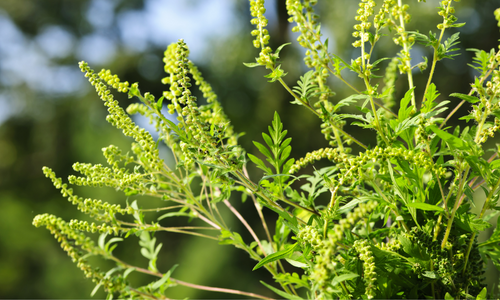
Ragweed and Other Weed Pollens
Ragweed may just be the single most common seasonal allergen in all of North America for humans—and yes, it can cause allergic symptoms in your dog, too. Ragweed pollination can start as early as July and tends to peak in mid-September, after many of the earlier springtime pollens have gone.
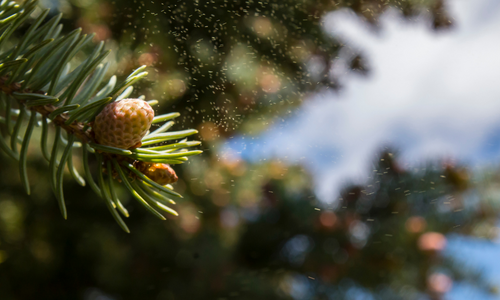
Tree Pollens
Tree pollen is another common cause of seasonal allergies, which are typically worst in the spring. Depending on where you live, your dog’s allergies might be triggered by oak trees, birch trees, elm trees, cedar trees, ash trees, pine trees, or poplar trees.

Grass Pollens
Being allergic to grass is a little less common, but it does happen. If you notice that your dog’s symptoms get worse after playing outside in the grass, that might be the clue you need to diagnose your dog’s grass allergies. Just keep in mind that other pollens (like those from trees and weeds) can also land on the grass, so it’s not always obvious which pollen types your dog is reacting to.
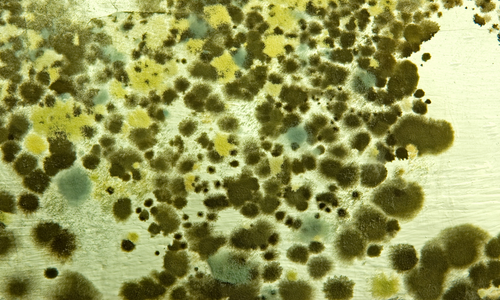
Mold & Mildew
Does your dog get sick or have a reaction after a heavy rain or after spending time in a musty basement? If so, they might be having an allergic reaction to mold & mildew. In addition, there are some types of fungi that sprout during the rainy season—and your dog can also be allergic to the spores of these fungi.
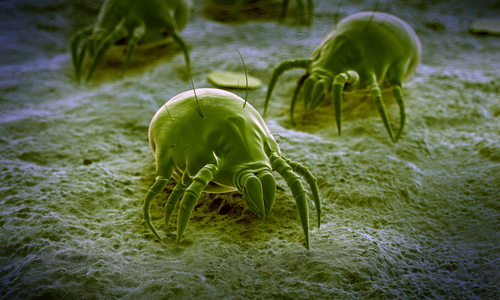
Dust Mites
Just like humans, dogs can also be allergic to dust mites, which are tiny little critters that are drawn to dead skin cells. Unfortunately, there’s no way to completely avoid dust mites, since your dog’s skin is naturally shedding to a degree at all times. But keeping your dog and their environment clean—by giving them baths and cleaning the surface where they sleep—can help to minimize their contact with dust mites.
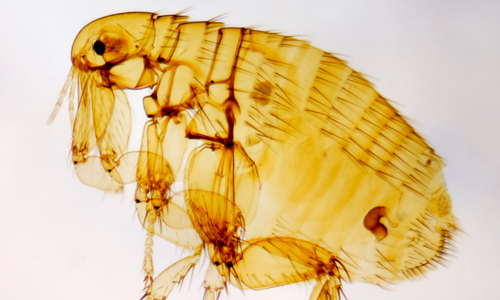
Flea Saliva
Yes, believe it or not, dogs can be allergic to flea saliva. It seems cruel, doesn’t it? The fact that your dog can suffer both from fleas (which are bad enough on their own) and from a flea saliva allergy? This can also lead to worse allergy symptoms during flea season, which often overlaps with seasonal allergies in the spring to summer months. So if you notice that your dog gets extra-itchy anytime they have fleas, it could be the case that they’re suffering from fleas and flea allergies.
The Highly Effective Solution for Seasonal Allergies You've Probably Never Heard Of
You’ve probably heard of the most common solutions for seasonal allergies, like antihistamines or home remedies. But in recent years, something new has burst onto the scene.
These blood plasma-infused soft chews have dog owners and vets alike excited because they allow you to give your dog the health benefits of blood plasma—without the high cost and hassle.
So what is blood plasma and how is it beneficial for dogs?
Blood plasma has been used for farm and work animals for over 40 years now. It has a long history of keeping animals healthy during times of stress (such as when piglets are separated from their mother), and to keep work animals supported during times of high physical exertion.

One of the ways that giving blood plasma works is by managing inflammation, which is one of the primary causes of health issues contributing to seasonal allergies. And that’s a big reason why these blood plasma-infused soft chews by WINPRO Pet are so effective.
Manage Your Dog's Seasonal Allergies with WINPRO Allergy
It can be hard to watch your dog suffer from seasonal allergies. But with the help of WINPRO Allergy, you don’t have to!
WINPRO Allergy is the only effective seasonal allergy product for dogs on the market that contains blood plasma. That plasma works by traveling through your dog’s circulatory system to deliver antibodies to inflamed areas of the body, targeting allergy symptoms like itchy skin. And unlike most allergy solutions, it works both to manage symptoms AND to help prevent them from coming back in the future.
In addition to blood plasma, WINPRO Allergy also contains these proven allergen-fighting ingredients:
-
Pineapple stem to provide natural enzymes that help process everyday irritants
-
Nettle root extract to help support calm, healthy skin during environmental changes
-
Plant-based quercetin to support a normal response to seasonal allergens
This natural product is tested under strict USDA & FDA regulations and NASC Certified, ensuring the safest, healthiest soft chew we can create.

★★★★★ Rated 4.4 by 3,200+ Happy Dog Owners
Plasma-Powered Allergy Support for Dogs
Announcing a revolutionary new approach for seasonal allergies that is making waves across the country by helping thousands of dog owners manage their pets' allergy symptoms at the source.
Improvement in 30 Days or Your Money Back—No Returns Needed




Customer Reviews